Personalised Shopping Experiences
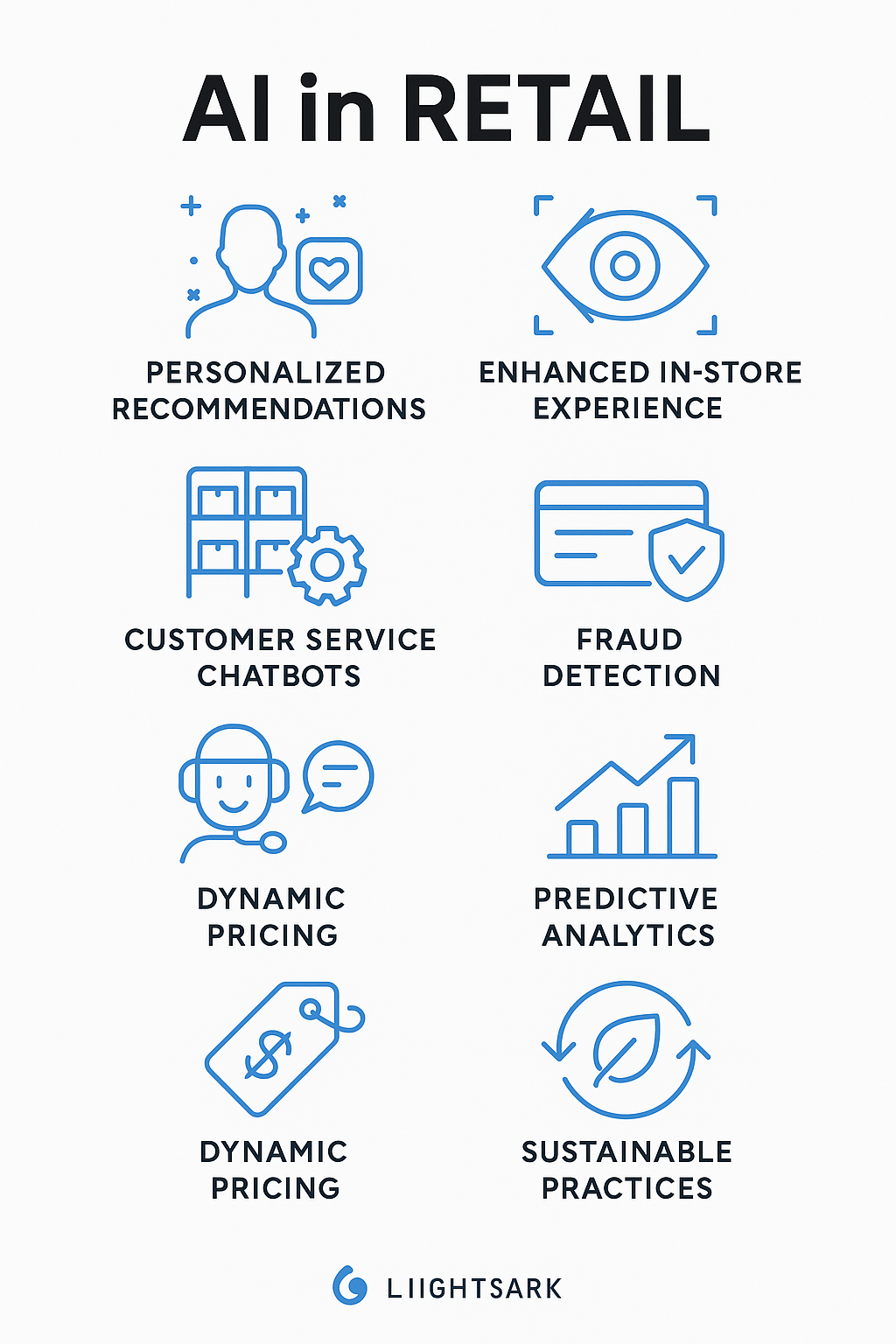
At a time when consumers expect meaningful engagement rather than generic offers, AI-driven personalisation is delivering differentiated value. Algorithms analyse customer data, purchase history, browsing patterns, and brand preferences to provide tailored product recommendations. A boutique in Dubai Mall might use an AI-powered recommendation engine to suggest garments or accessories aligned with a shopper’s previous purchases or the season. According to recent research, UAE retailers recognise that leveraging AI for precise personalisation is a core way to increase loyalty and repeat purchases.
Smart Inventory Management
Effective inventory management remains a fundamental challenge in the UAE’s retail ecosystem, where shopping patterns are heavily influenced by events, tourism flows and seasonal spikes. Machine learning models can forecast demand by analysing sales trends, holiday shopping peaks, the influx of tourists and other external factors. For example, a grocery chain in Abu Dhabi might predict how much fresh produce to stock for Eid or major events to avoid over-stocking or running out. These predictive capabilities reduce costs, minimise waste and ensure the availability of popular items.
AI-Powered Customer Service
In-store and online service expectations are now shaped by rapid digital experiences. AI allows retail businesses in the UAE to deploy chatbots and virtual assistants that are available 24/7, handle queries in multiple languages (Arabic, English, Hindi) and support both e-commerce and physical-store shoppers. Retailers can integrate chatbots into platforms such as WhatsApp, widely used in the UAE, for instant responses on store locations, product availability or returns. One UAE retailer reported a significant improvement in customer satisfaction after deploying an AI-driven chatbot during peak shopping seasons.
Dynamic Pricing and Promotions
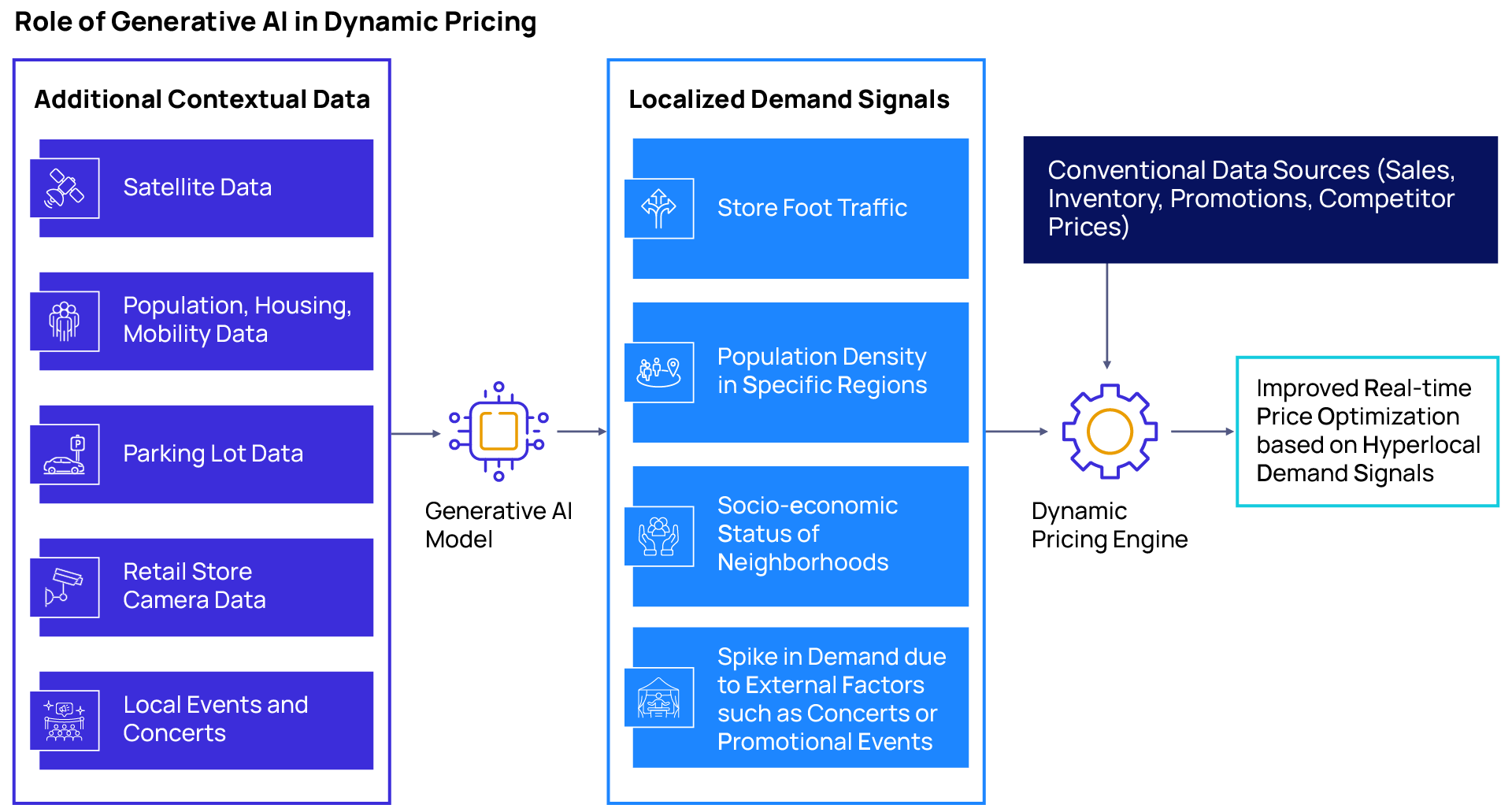
Retail pricing is often static, yet in a vibrant market like the UAE, it must respond to changing demand, local competition and seasonal patterns. AI systems analyse competitor pricing, consumer behaviour and demand signals in real-time to adjust prices and promotions dynamically. A consumer electronics store in Sharjah, for instance, could reduce the price of a smartphone if demand falls or offer personalised discounts to loyal customers. This adaptive pricing strategy helps maximize margin while preserving competitiveness.
Enhanced In-Store Experience with Computer Vision
The physical store remains a vital channel in the UAE’s retail economy, and AI enhances it through in-store analytics powered by computer vision. Cameras and sensors monitor foot traffic, identify high-interest zones and detect shopper demographics. A retailer at Mall of the Emirates might use heat maps to see which aisles attract the most attention and reorganise layouts accordingly, improving conversion and engagement. These insights allow stores to optimise space, refine merchandising and create a more engaging experience.
Fraud Detection and Security
Retail in the UAE must contend with fraud, payment risk and security concerns, particularly in high-volume shopping environments. Machine learning systems can analyse transaction and behavioural data to flag anomalies, such as unusual payment patterns or attempted identity misuse. Retailers gain enhanced protection, and customers benefit from a more secure shopping ecosystem.
Predictive Analytics for Expansion
Expanding in the UAE retail market requires strategic insight. AI analyses demographic data, tourism trends and competitor locations to recommend optimal neighbourhoods or emirates for new store openings. A luxury brand could deploy AI-based market intelligence to pinpoint the best location for its next boutique and estimate likely performance. This reduces expansion risk and helps maximise return on investment.
Sustainability and Waste Reduction
Sustainability is increasingly part of the retail narrative in the UAE, and AI supports this agenda. Machine learning optimises supply chains, reduces overproduction and ensures more efficient resource use. For example, supermarkets in Abu Dhabi might dynamically discount near-expiry items using AI models, aligning with national sustainability goals such as Net Zero by 2050.
Why the UAE Is Perfect for AI in Retail
Several factors make the UAE an ideal environment for retail innovation driven by AI. Its high-tech infrastructure, strong digital adoption and government support via the National AI Strategy 2031 foster rapid AI integration. Consumers in the UAE are tech-savvy, brand-conscious and responsive to digital engagement. Meanwhile, millions of tourists and luxury shoppers create massive data sets that AI systems can leverage. The blend of retail scale, tourism reach and technology readiness gives UAE retailers a distinct opportunity.
Our Thoughts
Artificial intelligence and machine learning are not optional luxuries for UAE retailers; they are essential tools to stay competitive, boost loyalty and improve operational performance. From personalised shopping and smart inventory to dynamic pricing, computer-vision-enhanced stores and sustainable operations, AI offers a broad spectrum of impact. As the UAE solidifies its status as a global retail destination and a technology leader, retail tokenization and intelligent systems will likely become standard across malls, souks and online platforms. Retailers who embrace these transformations now will be tomorrow’s market leaders.