In a time when global transaction volumes are rising and real-world adoption is accelerating, DAG-based systems are emerging as a powerful alternative for businesses and developers seeking scale without compromising security.
What Exactly Is a Directed Acyclic Graph?
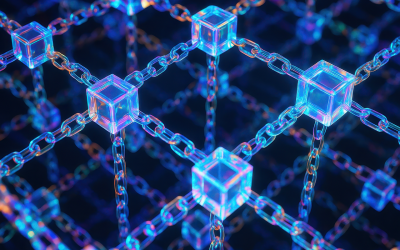
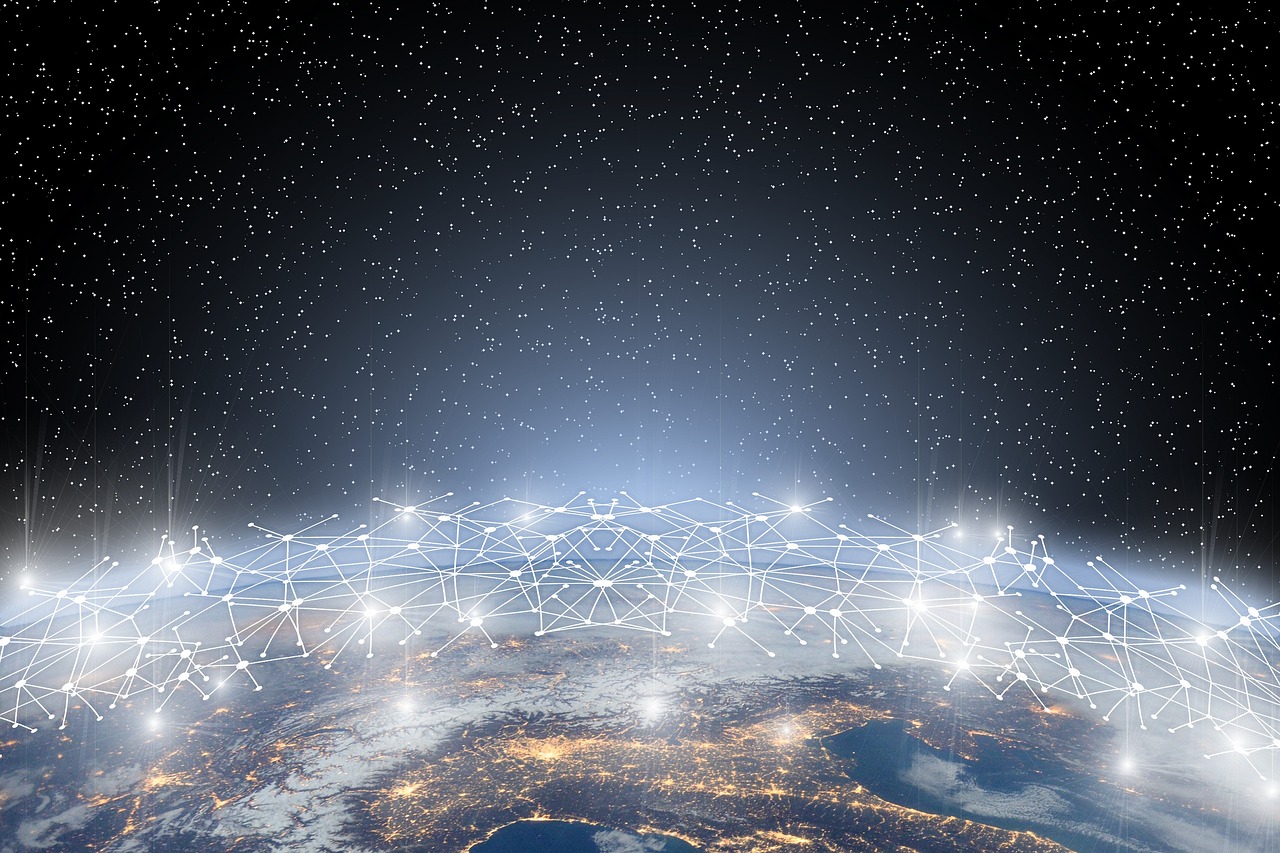
A Directed Acyclic Graph is a type of data structure that organises transactions or records in a graph format, rather than a linear chain. Each new transaction is linked to previous transactions, forming a web of interconnected confirmations that move in only one direction and never loop back on themselves. This structure eliminates blocks and replaces miners with a system where users validate each other’s transactions.
The result is a network where transactions can be processed simultaneously, rather than waiting in line for block creation. In simple terms, the more people use a DAG network, the faster and more efficient it becomes.
This is fundamentally different from traditional blockchains like Bitcoin or Ethereum that rely on sequential block creation and resource-heavy validation.
How DAG Differs From Traditional Blockchain
To understand the value of DAG architecture, it helps to compare it with blockchain’s core limitations. Blockchains process transactions one block at a time, which creates bottlenecks during high network demand. This often results in slow settlement, increased fees, and network congestion. DAG networks are designed to eliminate these bottlenecks.
Instead of batching transactions into blocks, DAG allows every transaction to independently confirm previous transactions. This decentralised validation means the system scales organically as usage grows. Without miners competing to solve cryptographic puzzles, the energy requirements drop dramatically, and transaction fees become negligible.
Rather than a single chain extending block by block, a DAG forms a growing and highly efficient digital structure with thousands of simultaneous confirmations happening at once.
Why DAG Architecture Matters for the Future of Digital Assets
As Web3 expands and the global economy moves toward tokenization, smart automation, and real-time settlement, the need for systems that can handle enormous transaction loads is increasing quickly. DAG-based networks offer a level of scalability that many traditional blockchains cannot match.
Financial applications benefit from faster clearing times and reduced operational costs. Supply chain platforms can process large volumes of updates without delays. IoT networks, which require micro transactions at high frequency, finally gain the infrastructure they need to function at scale.
This makes DAG a compelling foundation for enterprise-grade solutions, national digital strategies, real-world asset tokenization platforms, and data-heavy applications powered by AI or machine learning.
Well-Known Projects Using DAG Technology
Several leading networks have adopted DAG or DAG-inspired architectures, positioning themselves at the forefront of next-generation distributed systems. IOTA designed its Tangle architecture to support IoT ecosystems and micro payments. Hedera Hashgraph uses a DAG-like structure to achieve high-speed consensus with extremely low latency, appealing to corporate and government clients. Nano uses a block lattice variation of DAG to deliver instant and feeless transactions. Keeta blockchain (initially funded and backed by Eric Schmidt) is utilizing DAG to create a lightning-fast payment network.
These projects demonstrate how flexible and powerful DAG architecture can be when implemented at scale.
Why Businesses and Developers Should Pay Attention
With governments, enterprises, and fintech companies increasingly adopting decentralised digital infrastructure, choosing the right architecture is becoming a critical strategic decision. DAG networks offer speed, efficiency, low costs, and a scalable design that aligns with real-world operational needs.
For developers, DAG opens the door to building applications that can handle thousands of transactions per second without worrying about gas fees or congestion. For businesses, it provides a smoother experience for customers, faster settlement for payments, and a more sustainable energy footprint.
As the world moves toward Web3 integration across finance, logistics, healthcare, and smart city ecosystems, DAG is rapidly becoming part of the conversation about the future of distributed technology.
DAG Represents a Major Step Beyond Traditional Blockchain
Directed Acyclic Graph architecture is not just another variation of blockchain. It is a foundational shift in how distributed systems operate. By removing blocks, miners, and bottlenecks, DAG offers a path toward instant, scalable, and cost-efficient digital ecosystems that support the next generation of global commerce.
As adoption grows and the need for high-performance infrastructure increases, DAG-based networks are positioned to play a major role in Web3’s evolution. Businesses ready to innovate will benefit from understanding how this architecture works and where it can provide a competitive edge.