

Personalized Guest Experiences
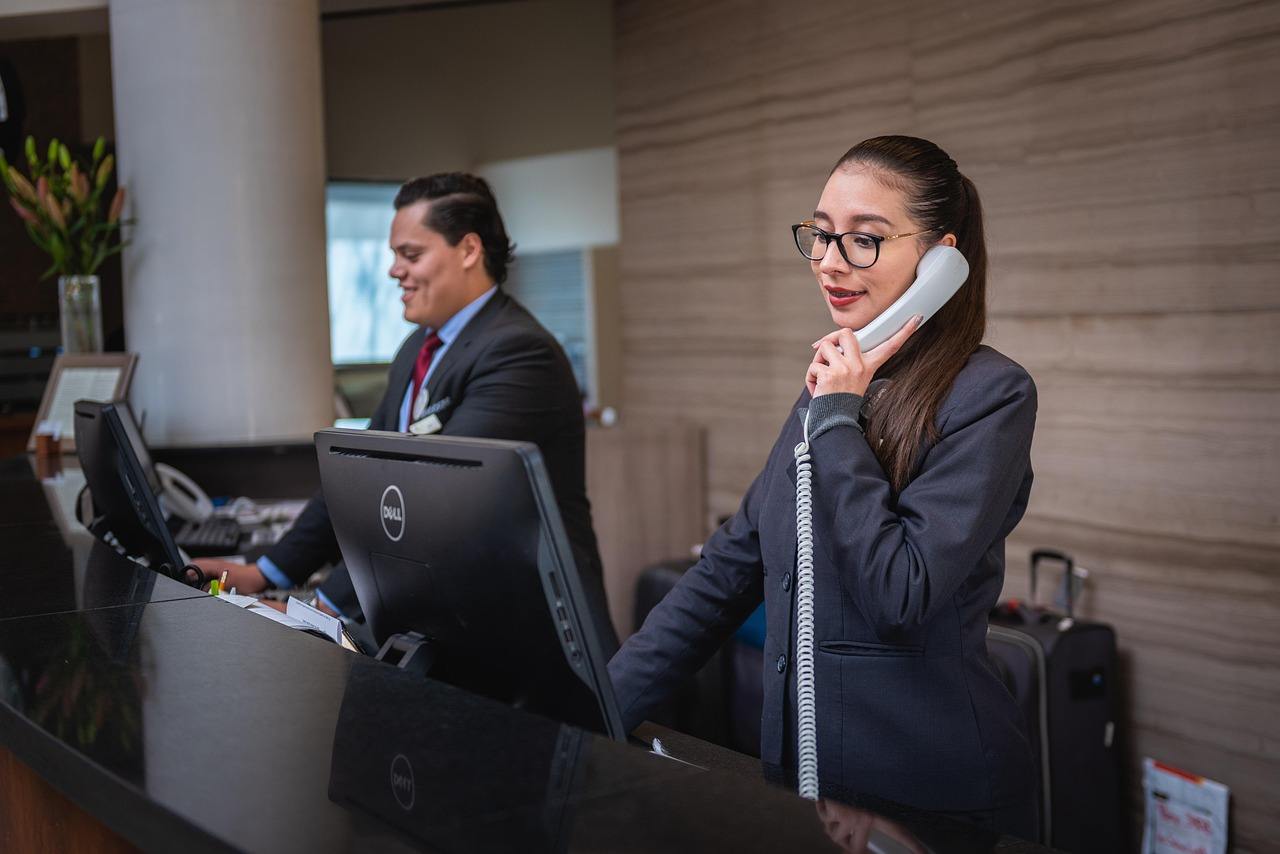
In a market where the guest expects bespoke service, AI enables hotels to move from one-size-fits-all to highly tailored experiences. Recommendation engines, akin to those used by streaming platforms, can analyse past stays, dining habits and preferences to suggest spa treatments, dining options or excursions uniquely suited to each guest. Hotels in the UAE may deploy AI systems that remember a guest’s favourite pillow type, preferred thermostat setting or minibar choices, ensuring consistency across multiple visits. Multilingual chatbots and virtual concierges operate around the clock, handling booking queries, airport transfers or room-service requests in English, Arabic or even Hindi and Russian. In a luxury-driven environment like the UAE, this level of personalization becomes a decisive advantage.
Smart Pricing and Revenue Optimization
Pricing is critical in tourism-intensive markets such as Dubai and Abu Dhabi, where demand fluctuates with seasons, major events and global travel trends. AI algorithms analyse multiple data streams, local events, competitor rates, flight bookings and weather patterns, to optimise room pricing in real time. Machine-learning systems forecast occupancy trends months in advance, enabling hotel management to adjust marketing strategies, staffing levels and ancillary services accordingly. AI can also identify the optimal timing for upselling room upgrades, meal packages or exclusive experiences, maximising revenue per guest without compromising satisfaction.
Operational Efficiency
Behind every seamless stay lies complex operational logistics. AI and ML introduce new levels of efficiency. Predictive maintenance uses IoT sensors on equipment such as elevators, air conditioning units or lighting systems; when the system detects early signs of wear, a service alert is triggered before downtime affects guests. Smart staffing models forecast peak check-in times or restaurant surges, ensuring the right number of staff are available without over-hiring. Energy-management systems driven by AI adjust lighting, air-conditioning and water systems dynamically based on occupancy. In the UAE, where sustainability goals like Dubai’s Net Zero by 2050 are shaping hospitality standards, smarter operations deliver both cost savings and reputational value.
Marketing and Guest Acquisition
AI’s role extends beyond operations to attracting and retaining the right guests. Predictive analytics identify trends in guest demographics, travel instruments and booking platforms, enabling hotels to deploy targeted ad campaigns rather than generic messaging. Sentiment-analysis tools scan guest reviews, social-media posts and survey feedback to unearth service gaps or moments of delight, enabling continual refinement of guest experience. AI-driven platforms can also personalise marketing by nationality, language or travel intention, an advantage in the UAE with its globally diverse visitor base.
Safety, Security and Guest Trust
In a luxury hospitality market, guest trust and security are paramount. AI-powered facial-recognition systems can enable seamless, contact-free check-in, speeding front-desk processes and enhancing the guest experience. Machine-learning models monitor payment activity and flag anomalies for fraud detection. Intelligent surveillance systems detect unusual behaviour in hotels, such as unattended items or access violations, and alert security teams proactively. These layers of protection support brand reputation, guest confidence and compliance with global hospitality standards.
Data-Driven Decision Making
Every interaction in a hotel, from bookings to spa visits, generates data. AI and ML bring clarity by consolidating these streams for actionable insight. Unified guest profiles enable management to understand guest behaviour across multiple touchpoints. Analytics tools highlight which services drive the highest profitability and which may need rethinking. Real-time dashboards enable managers to monitor occupancy, revenue, satisfaction and operational status with one view. With this intelligence, hotels can pivot more rapidly and refine strategy with precision.
Why It Matters in the UAE
The UAE’s hospitality market is among the most competitive and luxurious in the world. Cities such as Dubai and Abu Dhabi aim to attract tens of millions of hotel guests annually under the UAE Tourism Strategy 2031. To stay ahead, hotels must embrace innovation. AI adoption can deliver better guest satisfaction, which drives loyalty in a market full of options, higher profitability through pricing, upsells and efficiency, and sustainability alignment through smarter operations.
Our Thoughts
AI and machine learning are transforming the hospitality industry, and the UAE is perfectly positioned to lead this evolution. For hotel chains, these technologies are not just about automation; they are about delivering luxury at scale, personalised service, operational excellence and global competitiveness. The next time you check into a hotel in Dubai or Abu Dhabi, don’t be surprised if AI is already making your stay smoother, more personalised and more sustainable.